

Best Tattoo Ho Chi Minh: How to Choose a Studio You’ll Trust for Life
02/08/2026
Saigon Ink Art Center: A Professional Guide to One of Vietnam’s Most Recognized Tattoo Studios
02/08/2026Tattoo Locations: How to Choose the Perfect Placement for Your Next Tattoo
Choosing a tattoo design is an exciting part of the journey, but deciding where it belongs on your body is just as important. An experienced tattoo artist doesn’t simply ask what you want to tattoo—they also consider how the artwork will interact with your anatomy, skin texture, movement, and lifestyle. The right placement enhances the composition, supports better healing, and helps the tattoo age gracefully over the years.
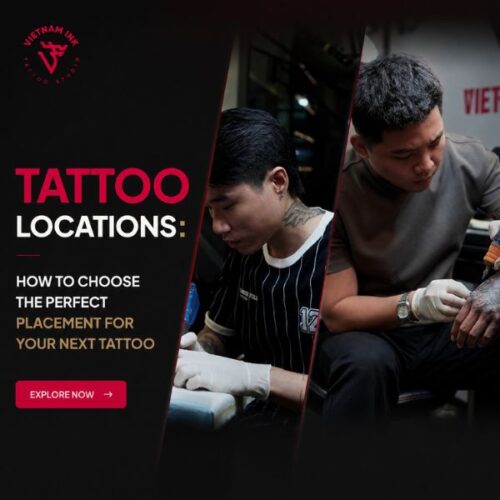
Tattoo Locations: Best Placement Guide for Every Style
If you’re exploring different tattoo locations, you’re likely comparing body areas based on aesthetics, pain level, visibility, healing, and how well each location suits your chosen design. This guide explains how professional tattoo artists approach placement decisions, the advantages and challenges of popular body areas, and the practical considerations that often make the difference between a good tattoo and an exceptional one.
How to Choose the Best Tattoo Locations
Tattoo placement should never be an afterthought. Every part of the body has unique anatomical characteristics that influence both the tattooing process and the final appearance.
Professional tattoo artists typically evaluate several factors before recommending a placement, including:
- Body shape and proportions
- Skin thickness and elasticity
- Muscle movement
- Sun exposure
- Daily friction from clothing
- Visibility preferences
- Future tattoo expansion
- Design flow across the body
At VietnamInk, consultations focus on matching artwork to anatomy rather than simply finding empty skin. This approach creates tattoos that feel naturally integrated with the body instead of appearing randomly placed.
Why Tattoo Locations Affect Long-Term Results
Two identical tattoos can heal—and age—very differently depending on where they’re placed.
Areas with frequent movement, constant friction, or heavy sun exposure tend to experience more wear over time. Likewise, tattoos placed on highly elastic skin may soften differently as the body naturally changes with age.
Experienced artists also consider how muscles contract beneath the skin. A design that aligns with natural muscle contours often appears more dynamic and balanced than one placed without anatomical planning.
Popular Tattoo Placements and Their Advantages
Each area of the body offers distinct creative opportunities.
Choosing the right location depends on balancing visibility, comfort, healing, and artistic composition.
Forearm
The forearm remains one of the most versatile tattoo locations.
Benefits include:
- Moderate pain level
- Excellent visibility
- Flat surface for clean line work
- Simple aftercare
- Easy expansion into larger projects
This placement works especially well for script, fine line tattoos, botanical illustrations, geometric patterns, and black and gray realism.
Upper Arm and Shoulder
The shoulder and upper arm provide one of the best canvases for medium and large tattoos.
Popular choices include:
- Japanese traditional
- Neo-traditional
- Portrait realism
- Blackwork
- Floral compositions
The rounded anatomy naturally complements circular and flowing designs while offering relatively comfortable tattoo sessions.
Chest
The chest provides a large, uninterrupted canvas that allows artwork to follow the body’s natural symmetry.
This location is ideal for:
- Sacred geometry
- Eagles
- Dragons
- Mandalas
- Large ornamental pieces
Pain typically increases around the sternum and collarbones because these areas contain less soft tissue.
Back
The back offers unmatched creative freedom.
Its broad surface accommodates:
- Full-back masterpieces
- Mythological scenes
- Landscape compositions
- Japanese bodysuits
- Large realism projects
Because the skin remains relatively stable, tattoos on the back often maintain impressive detail over time when properly cared for.
Legs
Both the thigh and calf provide excellent options for medium to large tattoos.
The thigh generally offers:
- Lower discomfort
- Excellent concealment
- Large working surface
- Strong healing conditions
The calf naturally suits vertical compositions such as snakes, swords, florals, and ornamental artwork.
Hands, Fingers, and Neck
These highly visible placements continue growing in popularity but require realistic expectations.
Due to constant movement and frequent exposure, these tattoos may:
- Fade more quickly
- Require touch-ups
- Heal unevenly
- Experience increased wear
Many professional artists recommend waiting until clients have experience healing tattoos before choosing these advanced placements.
Matching Tattoo Styles to Placement
Certain tattoo styles perform better in specific locations because of body contours and available space.
For example:
| Tattoo Style | Ideal Placement |
| Fine line | Forearm, inner arm, calf |
| Realism | Upper arm, thigh, back |
| Japanese traditional | Sleeve, chest, back |
| Blackwork | Shoulder, thigh, calf |
| Ornamental | Sternum, forearm, spine |
| Script | Collarbone, ribs, forearm |
A thoughtful placement enhances readability while helping preserve detail throughout the tattoo’s lifetime.
Pain Levels Across Different Body Areas
Pain perception varies from person to person, but anatomy provides useful guidance.
Generally less painful:
- Outer upper arm
- Shoulder
- Forearm
- Thigh
- Calf
Moderate discomfort:
- Chest
- Inner bicep
- Neck
- Glutes
Higher discomfort:
- Ribs
- Spine
- Hands
- Fingers
- Feet
- Knees
- Elbows
Professional tattoo artists adjust machine speed, needle depth, and hand pressure depending on the sensitivity of each body area to reduce unnecessary skin trauma while maintaining consistent ink saturation.
Tattoo Procedure and Skin Considerations
Tattooing involves placing pigment into the dermis, the stable layer beneath the epidermis.
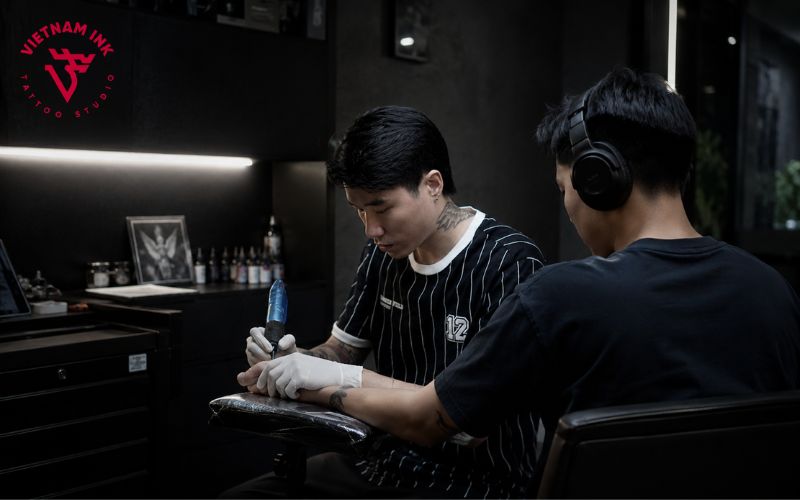
Tattoo Procedure and Skin Considerations
Achieving clean, lasting results requires precise control over:
- Needle depth
- Machine voltage
- Hand speed
- Skin stretching
- Needle configuration
Round liners produce crisp outlines, while magnum needles create smooth shading and efficient color packing across larger surfaces.
Different body locations require different technical adjustments because skin thickness and elasticity vary considerably from one area to another.
This is one reason experienced artists carefully evaluate placement before beginning any tattoo.
Healing and Aftercare by Placement
Healing requirements differ depending on where your tattoo is located.
Caring for Different Tattoo Locations During Healing
Although every tattoo follows the same general healing process, body placement affects aftercare.
For example:
- Shoulder tattoos should avoid backpack straps.
- Rib tattoos heal best under loose clothing.
- Leg tattoos benefit from minimizing tight compression garments.
- Forearm tattoos require careful sun protection.
- Foot tattoos should avoid prolonged moisture and friction.
General aftercare includes washing gently with fragrance-free soap, applying a thin layer of recommended moisturizer, avoiding swimming until fully healed, and never picking peeling skin.
Complete surface healing typically occurs within two to four weeks, while deeper dermal recovery continues for several months.
Consistent sunscreen use after healing remains one of the most effective ways to preserve color vibrancy and fine detail.
Think Beyond Your First Tattoo
Placement should also consider future possibilities.
Many clients begin with a single tattoo before later expanding into sleeves, chest panels, or full body compositions.
Professional artists often recommend leaving sufficient space between tattoos to maintain visual balance while allowing room for future additions.
At VietnamInk, consultations frequently include discussions about long-term tattoo planning, ensuring today’s design fits naturally into tomorrow’s artistic vision.
Questions to Ask Before Choosing Placement
Before finalizing your tattoo location, ask yourself:
- Will I want to see this tattoo every day?
- Does my career require concealment?
- How much discomfort am I comfortable with?
- Will this design fit naturally on the chosen body part?
- Could I expand this tattoo in the future?
- How much sun exposure will this area receive?
Thoughtful answers help guide better placement decisions than following temporary trends.
Conclusion
Choosing the right tattoo locations is about much more than appearance. The ideal placement enhances your artwork, complements your anatomy, supports healthy healing, and preserves the tattoo’s beauty for years to come. By considering factors such as pain level, visibility, skin characteristics, future expansion, and long-term maintenance, you’ll make a decision that feels both intentional and timeless.
Whether you’re planning your very first tattoo or envisioning a full-body collection, taking the time to discuss placement with an experienced artist is one of the smartest investments you can make. For more tattoo inspiration, expert placement advice, custom design guidance, and professional aftercare resources, visit VietnamInk and connect with artists dedicated to craftsmanship, safety, and creating tattoos that are designed to last a lifetime.
