
Tattoo of Vietnam: A Guide to History, Symbolism, and Timeless Design Inspiration
02/08/2026
Ho Chi Minh Tattoo Prices: A Complete Guide to Tattoo Costs, Quality, and Value
02/08/2026Guy Tattoo Locations: A Professional Guide to Choosing the Best Tattoo Placement for Men
The design of a tattoo often receives the most attention, but placement is just as important. As tattoo artists, we’ve seen incredible artwork lose its impact simply because it was placed on the wrong part of the body. The ideal location influences how a tattoo flows with your anatomy, how well it ages, how painful the session feels, and even how easily it fits your personal or professional lifestyle.
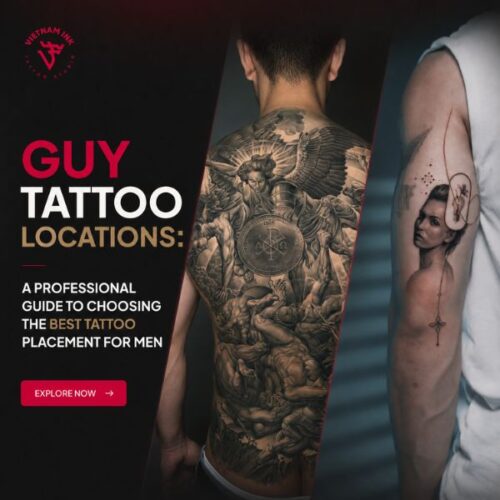
Guy Tattoo Locations: Best Placement Ideas for Me
If you’re researching the best guy tattoo locations, you’re already taking the right approach. Choosing where to place your tattoo isn’t simply about aesthetics—it’s about balancing artistic composition, visibility, healing, skin characteristics, and long-term wear. In this guide, you’ll learn how experienced tattoo artists evaluate placement, which body areas work best for different tattoo styles, what pain levels to expect, and how to make a decision you’ll still appreciate years from now.
How to Choose the Best Guy Tattoo Locations
Before discussing individual body parts, it’s important to understand that there is no universally “best” placement. The right location depends on your lifestyle, the size of the design, your pain tolerance, and how you want the tattoo to be seen.
Professional artists evaluate several factors before recommending placement, including:
- Body proportions and muscle definition
- Natural skin movement
- Sun exposure
- Future tattoo expansion
- Career and visibility preferences
- Healing conditions
- The overall flow of the artwork
At VietnamInk, consultations often begin with placement rather than artwork alone. A thoughtfully positioned tattoo allows the design to complement the body’s natural contours instead of competing with them.
Why Guy Tattoo Locations Matter More Than Most People Think
Two identical tattoos can look dramatically different depending on where they’re placed.
For example, a geometric sleeve follows the shape of the arm to create visual movement, while the same design on the calf may lose much of its intended balance. Likewise, portrait tattoos generally benefit from flatter areas of skin, allowing facial proportions to remain accurate over time.
Experienced tattoo artists also consider how skin stretches with age, weight fluctuations, and muscle development. Choosing an anatomically appropriate location helps preserve crisp lines and smooth shading for years.
Best Tattoo Placements for Men
Every area of the body offers unique advantages. Understanding these characteristics helps match the design to the location instead of forcing the artwork into an unsuitable space.
Upper Arm and Shoulder
The upper arm remains one of the most versatile tattoo locations for men.
Benefits include:
- Moderate pain level
- Large canvas for detailed artwork
- Easy to conceal when necessary
- Excellent healing due to minimal friction
Popular designs include Japanese traditional pieces, black and gray realism, biomechanical artwork, and bold American traditional tattoos.
Forearm
The forearm is one of the most requested placements among first-time clients.
Its advantages include:
- Good visibility
- Relatively low discomfort
- Flat surface ideal for detailed line work
- Easy aftercare during healing
Fine line tattoos, script, botanical illustrations, and symbolic designs all perform exceptionally well here.
Because forearms receive regular sunlight, applying sunscreen after healing is essential to minimize fading.
Chest
The chest offers one of the largest uninterrupted tattoo canvases on the male body.
This location works especially well for:
- Large symbolic compositions
- Sacred geometry
- Eagle designs
- Japanese dragons
- Full custom artwork
Pain levels increase near the sternum and collarbones because these areas have thinner tissue over bone.
Artists frequently recommend completing larger chest projects over multiple sessions to reduce skin trauma and maintain optimal ink saturation.
Back
The back provides unmatched creative freedom.
Its broad, relatively flat surface accommodates:
- Full back pieces
- Mythological scenes
- Landscape compositions
- Large blackwork
- Japanese bodysuits
Healing is generally straightforward, although clients should avoid prolonged pressure against chairs and mattresses during the first several days.
Sleeve Tattoos
Full and half sleeves remain among the most visually striking tattoo projects.
A professionally planned sleeve isn’t simply a collection of unrelated tattoos. Instead, artists carefully design transitions, background elements, and negative space to create one cohesive composition.
Large projects also require strategic session planning because different regions of the arm heal at different rates.
Leg Tattoos
The thigh offers one of the least painful large tattoo locations.
Advantages include:
- Wide design space
- Easy concealment
- Thick muscle reducing discomfort
- Excellent for realism and large blackwork
Calf tattoos, meanwhile, naturally complement vertical compositions such as swords, florals, snakes, or ornamental designs.
Rib Cage
The ribs consistently rank among the most painful tattoo locations.
Several anatomical factors contribute:
- Thin skin
- Minimal fat padding
- Constant movement during breathing
- Proximity to bone
Although discomfort is higher, the rib cage provides an elegant canvas for meaningful quotes, fine line artwork, and flowing botanical designs.
Clients should expect more frequent breaks during longer sessions.
Hands and Fingers
These placements have become increasingly popular but require realistic expectations.
Finger tattoos often experience:
- Faster fading
- More frequent touch-ups
- Uneven healing
- Greater exposure to friction
Because hand skin regenerates quickly, even expertly applied tattoos may soften sooner than tattoos placed elsewhere.
Professional artists typically recommend these placements after clients have already experienced healing on more forgiving body areas.
Matching Tattoo Styles to Placement
Not every tattoo style belongs everywhere.
Some examples include:
| Tattoo Style | Recommended Placement |
| Fine line | Forearm, inner bicep, calf |
| Blackwork | Shoulder, thigh, back |
| Japanese traditional | Sleeve, chest, back |
| Realism | Upper arm, thigh, back |
| Ornamental | Chest, forearm, sternum |
| Script | Forearm, ribs, collarbone |
Selecting the right combination enhances readability and helps preserve detail over time.
Pain Levels by Body Area
Pain varies significantly from person to person, but anatomy provides useful guidelines.
Generally lower discomfort:
- Outer upper arm
- Shoulder
- Forearm
- Thigh
- Calf
Moderate discomfort:
- Chest
- Inner bicep
- Neck
- Glutes
Higher discomfort:
- Ribs
- Spine
- Hands
- Fingers
- Feet
- Elbows
- Knees
Professional artists adjust needle speed, machine stroke, and session pacing to improve comfort without sacrificing quality.
Long-Term Considerations Before Choosing Placement
A tattoo should age gracefully—not only artistically but physically.
Areas exposed to frequent UV radiation, repetitive movement, or constant friction often require additional maintenance.
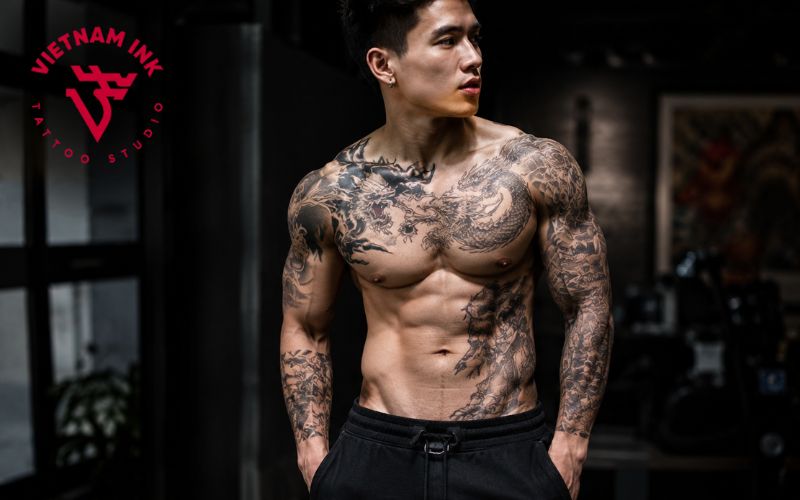
Long-Term Considerations Before Choosing Placement
Experienced artists consider:
- Skin elasticity
- Future muscle development
- Occupational exposure
- Clothing friction
- Lifestyle habits
For example, weightlifting may significantly change chest and shoulder anatomy over time, while manual labor can accelerate wear on hand tattoos.
Planning for the future is part of responsible tattoo design.
Healing and Aftercare Based on Placement
Healing varies depending on where the tattoo is located.
Caring for Different Guy Tattoo Locations During Healing
Although the basic healing process remains consistent, different body areas require different precautions.
For example:
- Shoulder tattoos should avoid backpack straps.
- Leg tattoos benefit from loose-fitting pants.
- Rib tattoos heal best in breathable clothing.
- Forearm tattoos should be protected from prolonged sun exposure.
- Hand tattoos require frequent moisturizing due to regular washing.
Professional aftercare typically includes washing with fragrance-free soap, applying a thin layer of recommended moisturizer, avoiding swimming for at least two weeks, and resisting the temptation to scratch peeling skin.
Complete healing usually occurs over several weeks, while deeper dermal recovery continues for several months.
Making the Right Decision
Choosing tattoo placement should never feel rushed.
Bring reference images to your consultation, but remain open to professional recommendations. Experienced tattoo artists often suggest subtle placement adjustments that improve symmetry, longevity, and visual flow without changing the original concept.
At VietnamInk, consultations focus on understanding not only the design itself but also how it interacts with each client’s body shape, lifestyle, and future tattoo plans. This collaborative approach leads to artwork that feels intentional rather than simply decorative.
Conclusion
The best guy tattoo locations aren’t determined by trends—they’re determined by how well the artwork complements your anatomy, personal style, daily life, and long-term goals. By considering pain levels, visibility, healing, skin characteristics, and artistic composition before your appointment, you’ll make a decision that continues to look exceptional for years to come.
Whether you’re planning your very first tattoo or designing a full sleeve, thoughtful placement is one of the most important investments you can make. If you’d like to explore tattoo styles, custom placement ideas, or professional aftercare guidance, VietnamInk.vn offers expert educational resources and experienced artists dedicated to creating tattoos that are both visually striking and built to last.